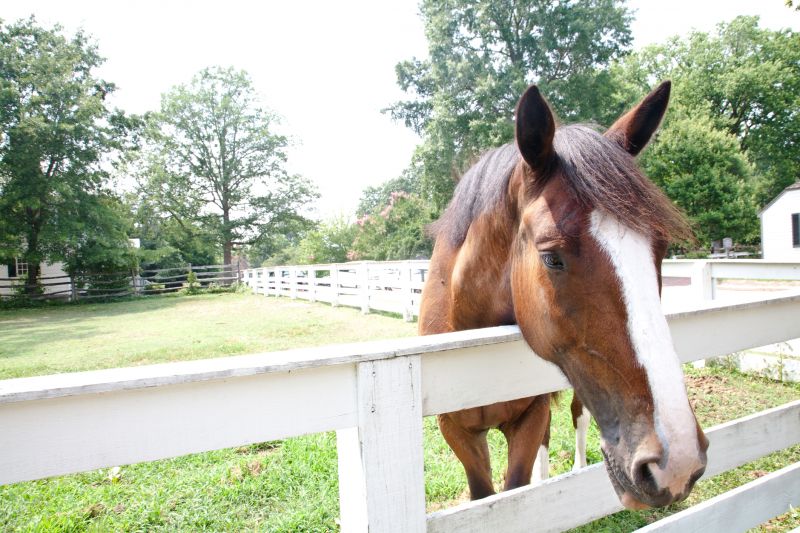
Equine Fence Installation in Pearland, TX
Equine fence installation services involve building secure and durable enclosures designed to contain horses and other livestock on residential or rural properties. These projects can range from simple perimeter fences to more complex arrangements that include gates, paddocks, and turnout areas. Homeowners typically seek these services to ensure their animals are safely contained, prevent wandering, and establish clear boundaries for their property. Before requesting installation, property owners should consider factors such as the size of the area to be fenced, the type of fencing material preferred, and any specific needs related to horse safety and comfort.
Understanding the different fencing options available is essential for property owners planning equine enclosures. Common materials include wood, vinyl, and wire, each offering different levels of durability, visibility, and maintenance requirements. It’s also helpful to think about the terrain and landscape features of the property, as these can influence the choice of fencing type and installation approach. Clarifying project scope, desired design, and any local regulations can help ensure the fencing meets safety standards and fits the property's needs.
Many property owners in Pearland, TX look into Equine Fence Installation for repairs, replacements, upgrades, and appearance-related improvements.
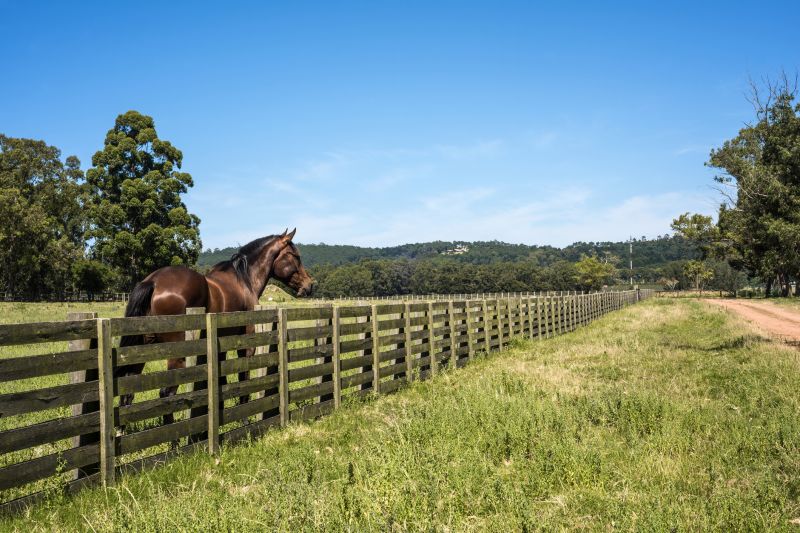
Fencing Options For Equine Safety
A variety of fencing styles can help keep horses secure and comfortable on your property.
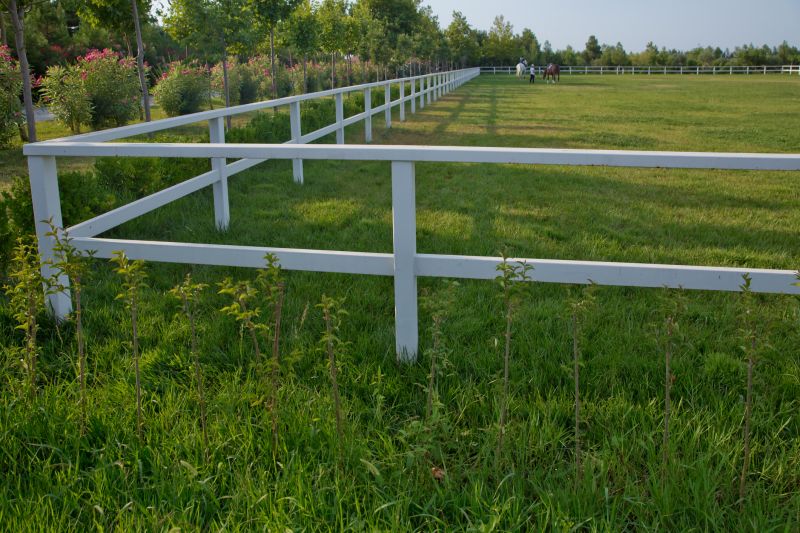
Durable Materials For Long-Lasting Fences
Choosing the right materials ensures your horse fencing withstands weather and daily use.
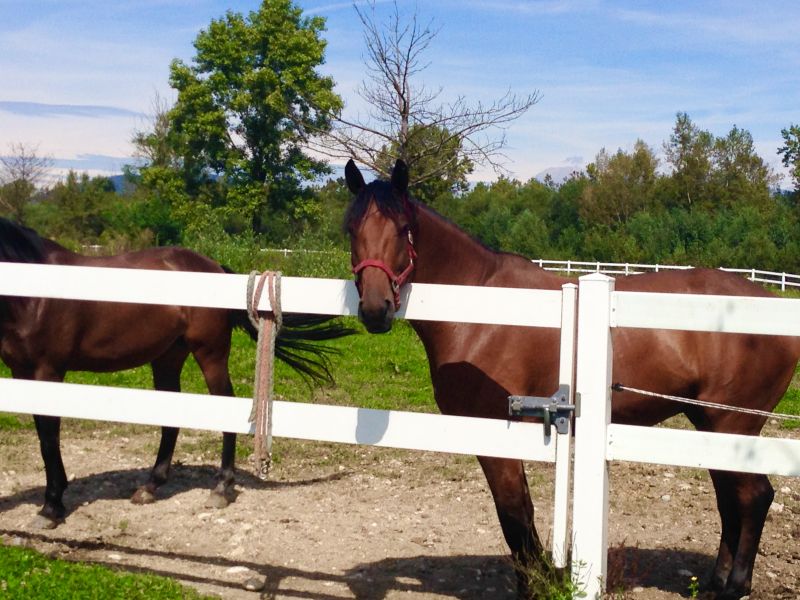
Design Considerations For Horse Enclosures
Proper layout and height are essential for creating a safe and functional riding or grazing area in pearland, tx.
Equine Fence Installation in Pearland, TX
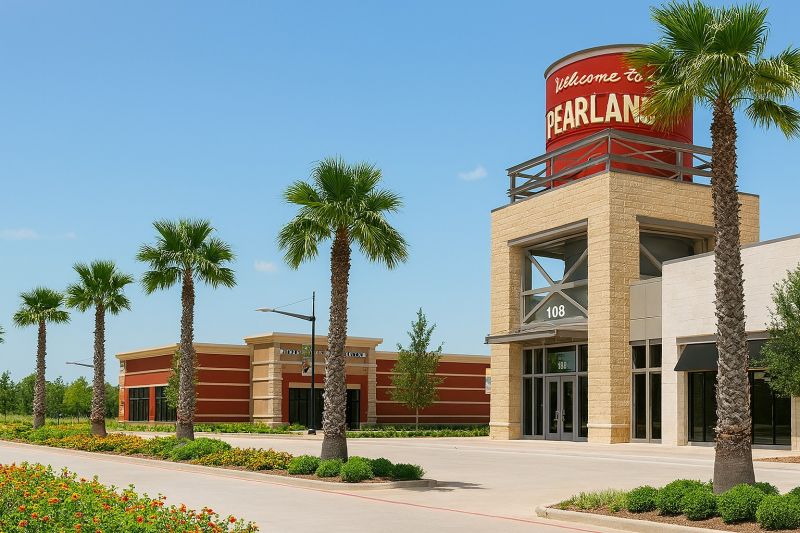
Equine fence installation services involve building secure and durable enclosures designed to contain horses and other livestock on residential or rural properties. These projects can range from simple perimeter fences to more complex arrangements that include gates, paddocks, and turnout areas. Homeowners typically seek these services to ensure their animals are safely contained, prevent wandering, and establish clear boundaries for their property. Before requesting installation, property owners should consider factors such as the size of the area to be fenced, the type of fencing material preferred, and any specific needs related to horse safety and comfort.
Understanding the different fencing options available is essential for property owners planning equine enclosures. Common materials include wood, vinyl, and wire, each offering different levels of durability, visibility, and maintenance requirements. It’s also helpful to think about the terrain and landscape features of the property, as these can influence the choice of fencing type and installation approach. Clarifying project scope, desired design, and any local regulations can help ensure the fencing meets safety standards and fits the property's needs.
Many property owners in Pearland, TX look into Equine Fence Installation for repairs, replacements, upgrades, and appearance-related improvements.
Common Equine Fence Installation Jobs
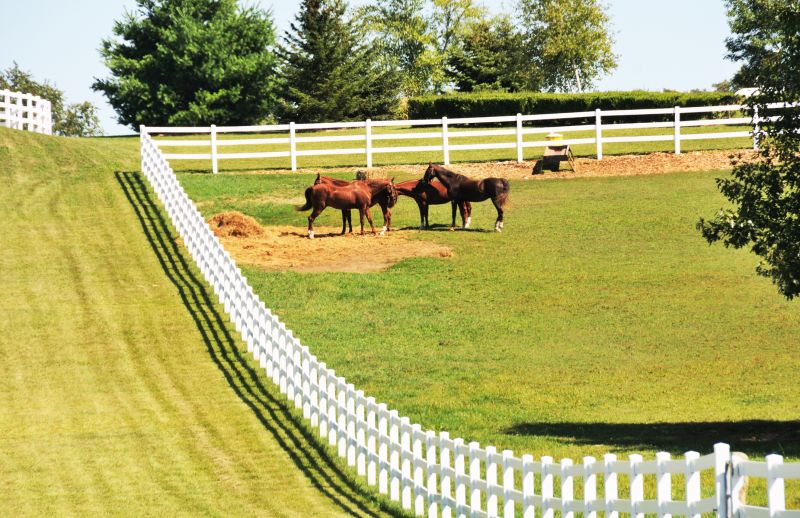
Equine Fence Installation - custom fencing designed to safely contain horses and livestock.
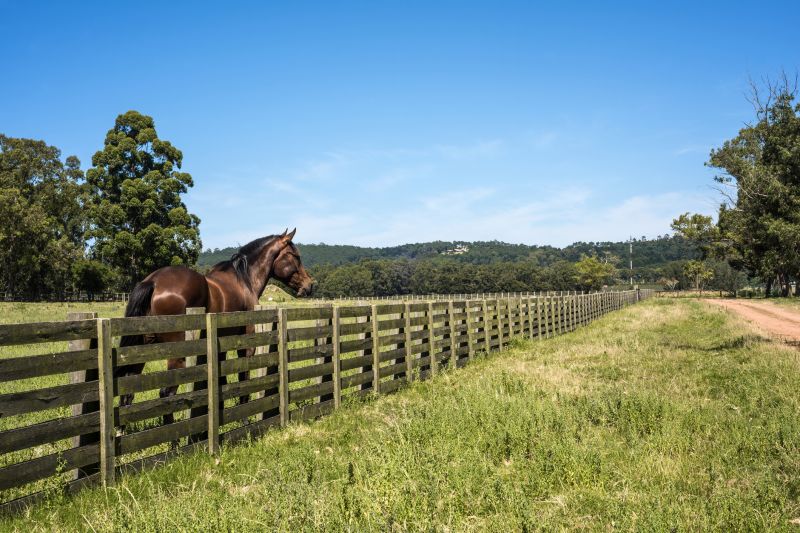
Wood Fencing - traditional wood fences that provide durability and aesthetic appeal for pastures.
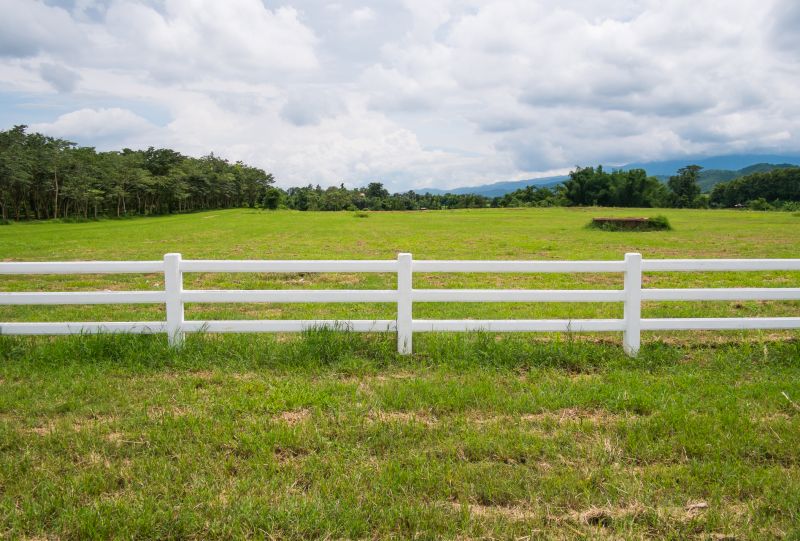
Vinyl Fencing - low-maintenance vinyl options suitable for secure and attractive horse enclosures.
Pipe Fencing - sturdy metal pipe fences that offer strength and visibility for larger properties.
Electric Fencing - effective solutions for perimeter security and controlled access for horses.
Fence Repair & Replacement - restoring or upgrading existing fences to ensure safety and longevity.
Equine Fence Installation Questions
What types of fencing are suitable for equine properties? Common options include wood, vinyl, and metal fencing, each offering different levels of durability and aesthetics for horse enclosures.
How high should an equine fence be? Fences typically need to be at least 4 to 5 feet high to prevent horses from jumping over.
What materials are best for safety and durability? Treated wood and vinyl are popular for their strength and safety features, reducing the risk of injury to horses.
Are there any regulations or guidelines for fencing horses? Local property guidelines often recommend specific fence heights and materials to ensure safety and compliance.
Request Equine Fence Installation in Pearland, TX
Use the quote form on this page to share the basics of your project and request more information for the type of work you need.